


What to Do About Itchy and Prickly Wool Scarves
You’ve just bought a beautiful wool scarf, but there’s a problem: after wearing it for a few hours, you start to feel a tingling and itching! But you’re still dying to show off this new addition to your wardrobe. Don’t panic! French scarf offers a few tips to prevent wool from itching and to help you choose soft and comfortable scarves.

Understanding Why Wool Itches:
Wool fibers have a scaly surface. The thicker and stiffer the fiber, the more prominent the scales will be, which leads to tingling, skin irritation, and itching. Therefore, the finer the wool fiber, the thinner the scales will be, and the softer the wool will feel.
Wools are classified based on the thickness of their fibers, referred to as the micronnage of the wool fibers.
Micronnage is the measurement of the diameter of the fiber that makes up the wool yarn, which is the diameter of the hair taken from the animals. For comparison, a human hair is about 100 microns. The smaller the diameter, or the lower the micronnage, the softer the wool will be. Wool with a micronnage greater than 28 is typically felt as itchy by most people. Wool with a micronnage under 25 microns is generally not itchy.
Wool comes from different animals. Of course, we are most familiar with sheep, which have various breeds like Shetland and Merino. Then there are goats with different breeds (Angora, Cashmere), followed by rabbits, alpacas, yaks, etc.
To give you an idea, here is the micronnage of wool from different animal breeds:
- Ouessant Sheep: 25 to 28 microns
- Shetland Sheep: 27 to 30 microns
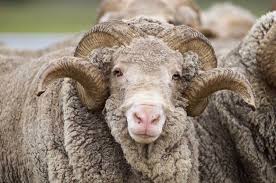
- Merino Sheep: 20 to 23 microns
- Angora Goat: 22 to 28 microns for kid mohair and 30 to 40 for adult goats
- Angora Rabbit: 11 to 16 microns
- Cashmere: 12 to 16 microns
- Yak: 16 to 20 microns
- Alpaca: 14 to 23 microns for baby alpaca and 23 to 27 microns for adult alpaca
Therefore, the lower the micronnage, the finer and more expensive the wool is. Merino wool (20/23 microns) is priced at around €50 per kg, while cashmere wool (12/16 microns) reaches €200 per kg. The rarity of the herds also influences the price.
Additionally, the arrangement and thickness of these scales differ depending on the type of wool. The scales on a Merino wool fiber are smaller and more closely spaced than those on a Shetland wool fiber. Likewise, the scales on a cashmere wool fiber are less dense than those on Merino wool.
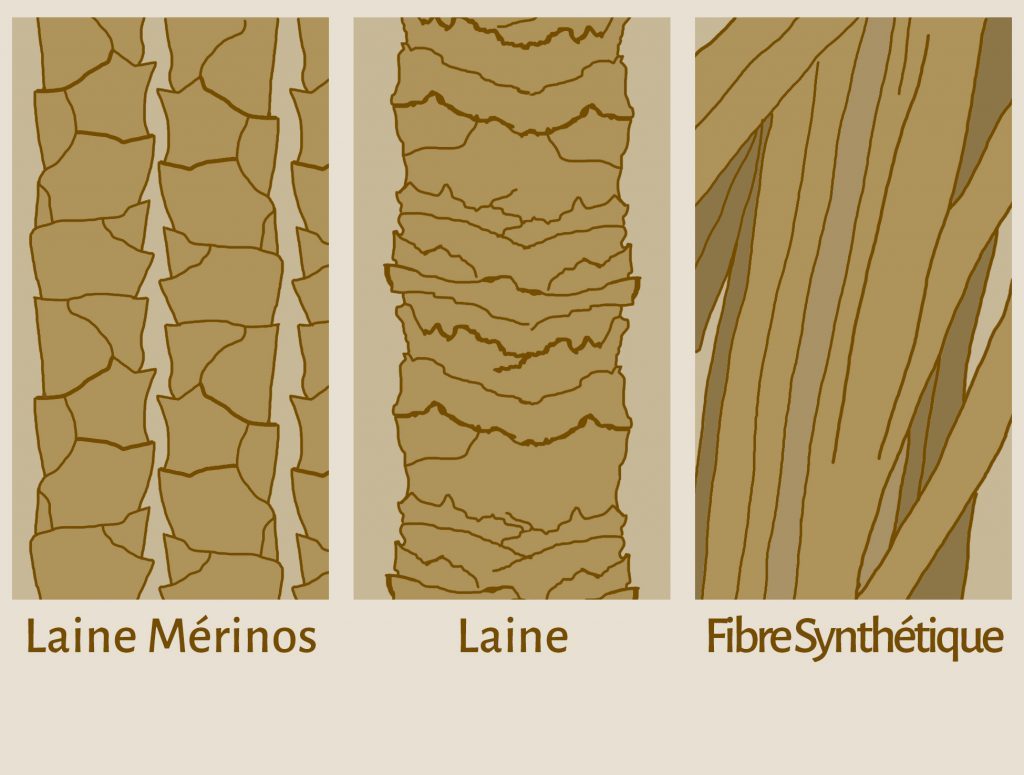
Merino Wool Wool Synthetic Fiber
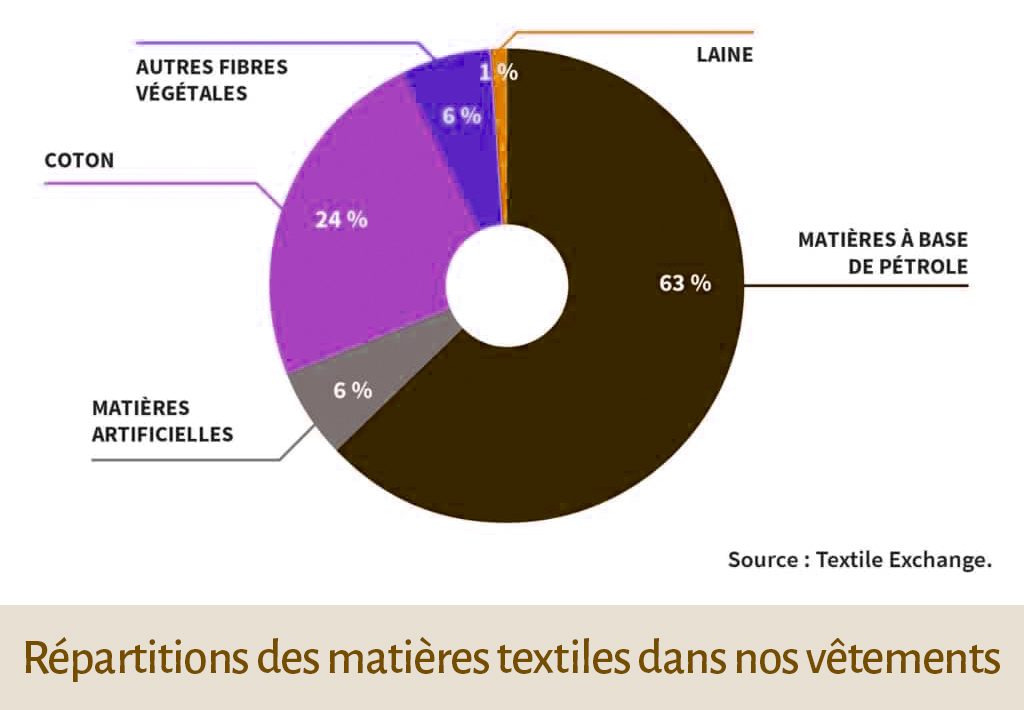
On the other hand, synthetic fibers such as polyester, polyamide, and acrylic are made up of completely smooth fibers because they are manufactured in laboratories through the synthesis of chemical hydrocarbons. Most of them are derived from petroleum. It is estimated that 70% of synthetic fibers produced worldwide today come from petroleum, requiring 70 million barrels to produce 40 million tons of polyester annually. This industry is highly polluting, with a huge carbon footprint. Furthermore, the production of synthetic yarns accounts for 70% of the total yarn production across all categories. Clearly, the textile market is flooding us with polyester garments, mostly made in Asia, which significantly contributes to depleting our planet. Buying wool garments is a much more responsible choice.
Choosing the right type of wool
As we saw earlier, the micronnage of wool depends on the breed of the animals, and the finest fibers come from Cashmere goats. A cashmere scarf will always be soft and comfortable. However, if you’re working with a lower budget, the fleece of Merino sheep produces wool that doesn’t itch. Sweaters and scarves made from Merino wool are pleasant to wear.
Check out our blog, “The benefits of wool for health and comfort.”
Tips for softening an itchy wool scarf
- Grandma’s trick: Vinegar water
For an itchy wool scarf, you can easily solve the problem with white vinegar. Fill your sink with cold water and add three tablespoons of white vinegar (1 tablespoon per liter). Immerse your wool scarf in it and let it soak in this “magic potion” for 15 minutes.
Then remove the scarf, drain it, and let it dry at room temperature. This method is proven, takes little time, and is very easy to do! - Homemade fabric softener
The “miracle anti-itch bath”? Mix two teaspoons of glycerin with two teaspoons of white vinegar. Pour the mixture into your washing machine (instead of your usual fabric softener and with a wool program) or into a basin of water if you prefer to wash it by hand.
After this first wash, you can rinse manually or run a second delicate program. Then place the scarf flat on a towel to air dry. The combined action of glycerin and vinegar helps soften the fibers of your wool scarf. Goodbye irritation, Hello softness! - The extra touch: Conditioner
Right after the “miracle bath” with white vinegar or glycerin, give your scarf even more softness and flexibility by using a little conditioner.
Take your scarf out of the wash water, wring it gently, and soak it in a solution of water mixed with a bit of conditioner. Then gently massage the fabric for a few minutes to let the product sink into the fibers, just like you would with your hair. Let it sit for about 30 minutes, then rinse with cold water to remove any conditioner residue. Lay it flat on a towel to dry without twisting it to avoid damaging the fibers and misshaping the scarf!
Wool is a natural material that behaves like your hair, so give it the same care!
Washing techniques to avoid irritation
The best technique for washing your wool scarf is hand washing. Take some precautions! Fill a basin with cold water; be careful, as wool is sensitive to temperature changes. If you throw your wool scarf into hot water, you’ll notice that it shrinks and felts, as wool does not like temperature changes. Add a small amount of gentle shampoo (children’s shampoos are ideal), then stir gently to create a little lather. Immerse your wool scarf and let it soak for a few minutes. For washing, gently stir the scarf in the soapy water, but avoid rough rubbing and excessive twisting, as wool fibers are delicate. Then rinse your scarf with clear water. Rinse several times thoroughly, as chemical residues can cause skin irritation, stain the fabric, and reduce the wool’s softness.
Finally, drying is just as important. To prevent stretching and deformation, dry your wool scarf flat on a clean cloth. Do not expose it to the sun, as it may cause stains, but simply let it air dry.
The freezer
Another recognized technique for avoiding irritation and making your wool scarf soft and pleasant to wear is to put it in the freezer after washing. Place it in a freezer bag and place it in the freezer for 2 to 3 days. After that, take your scarf out and let it warm up to room temperature before wearing it. You’ll really notice the difference. The cold helps tighten and flatten the scales of the wool fibers, preventing itching and irritation.
All these tips apply to wool sweaters or any woolen fabric.
Storing your wool scarves
Once your wool scarf is perfectly dry, do not store it immediately in your wardrobe. Fold it gently to avoid becoming deformed. Store it flat in a cool, dry place, ideally in a breathable cotton garment bag. Also, avoid hanging it on a hanger to prevent hanger marks. Check out our blog on “How to care for and store your scarves and shawls to make them last longer.”
Natural Solutions for Softening Wool
As mentioned in the previous section, white vinegar and glycerin are natural solutions to soften wool. Glycerin and vinegar act as softeners, making wool more comfortable. You can also use a solution with olive oil by adding half a teaspoon of olive oil to the washing water for your woolens. The benefits of olive oil are well-known, and it is found in many soaps and beauty creams!
Adapting Your Wardrobe for Sensitive Skin
If you have sensitive skin, opt for wool or cashmere scarves or sweaters to avoid irritation or itching. A good alternative would be to choose a fabric blend that combines wool with another natural material, such as wool with silk, wool with cotton, or wool with modal. Modal is a very soft fabric made from wood cellulose.
Check out Our Online Shop: www.french-scarf.com
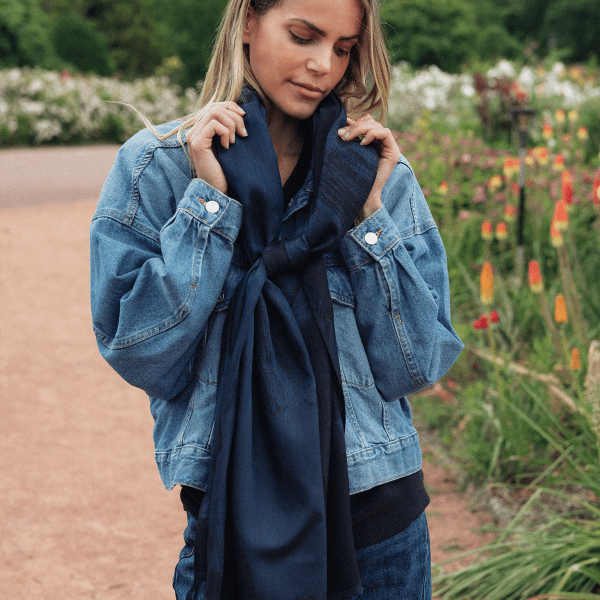
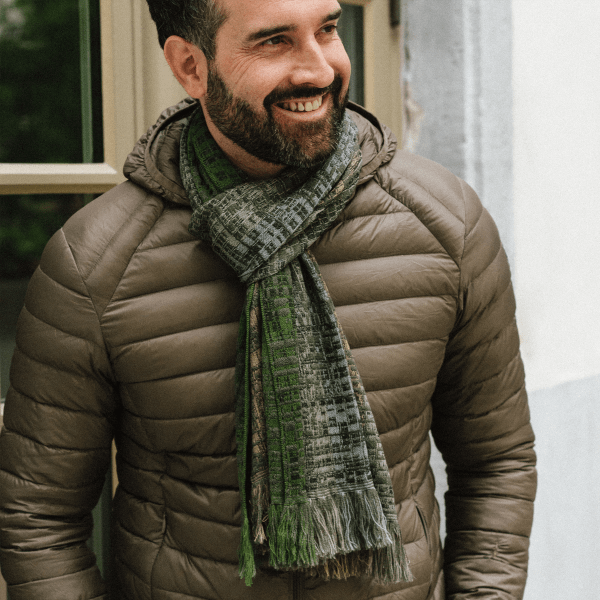
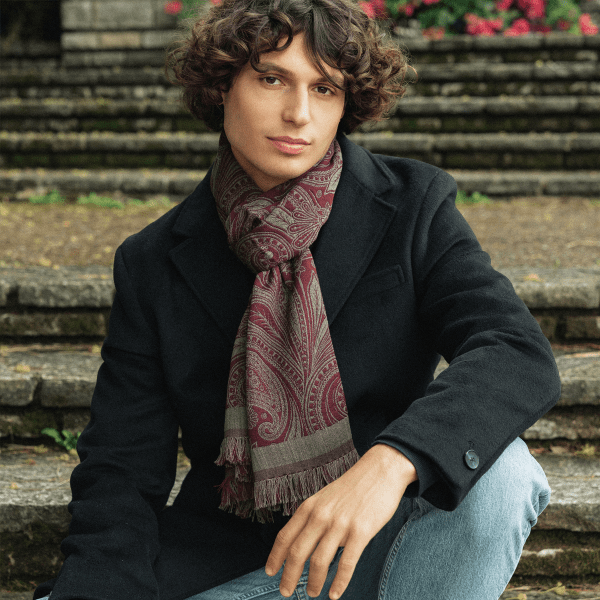
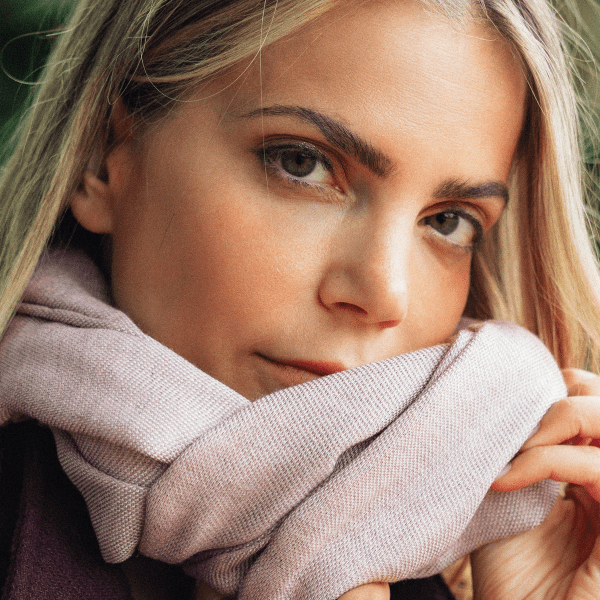
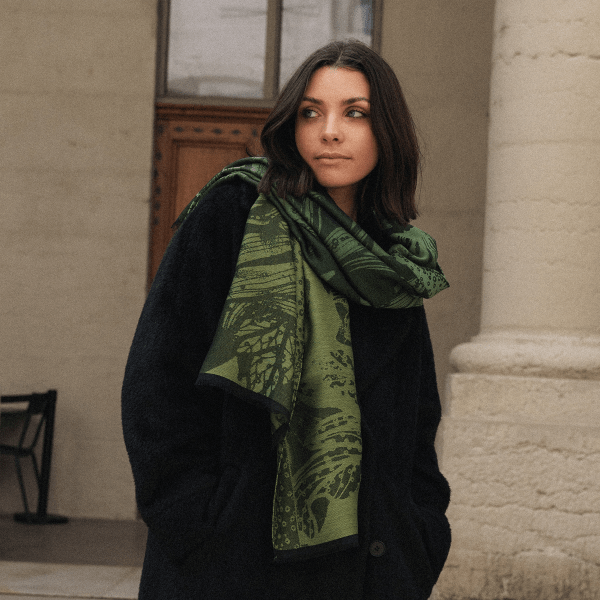
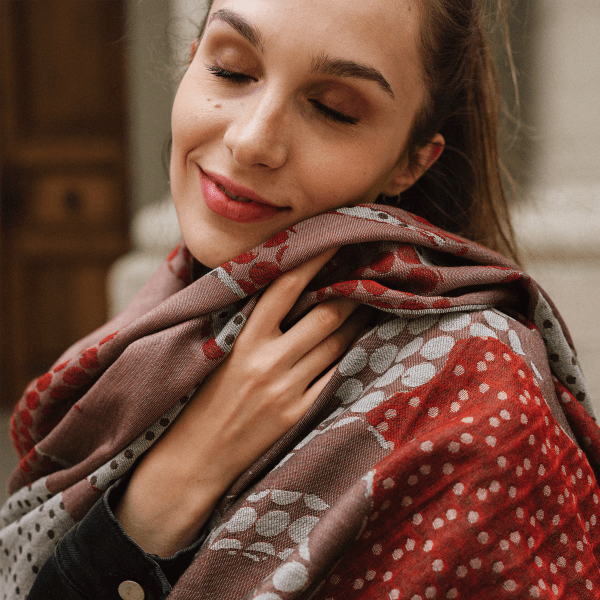
We only make soft and comfortable scarves using exclusively natural materials. We carefully choose our yarn suppliers. We only use Merino wool, which we often blend with silk or cotton. We also use cashmere blended with silk or Merino wool. We offer several ultra-soft models:

Write to us