


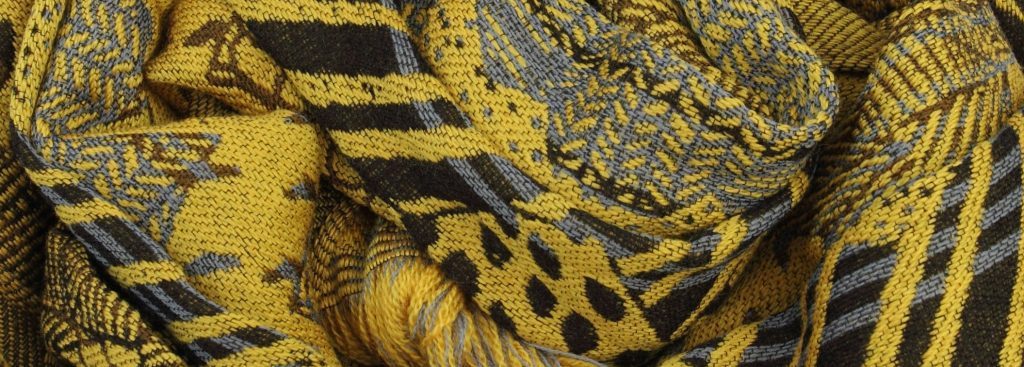
What to Do When a Wool Scarf Frays or Loses its Fibers?
Understand why a wool scarf frays or loses its fibers:
Unless you have a scarf made of poly-petroleum fibers with no real value, your wool scarf will inevitably go through this stage. It simply sheds material because it is a living thing.
Excess fiber pieces separate from the original woven or knitted thread and, through friction, clump together to form small wool balls called piles, which appear on the surface of the wool fabric. This is perfectly normal for wool garments. The problem arises in areas of friction. For example, jewelry can cause pilling on a scarf, or tight knots can create similar effects. On a sweater, you will quickly notice pilling under the armpits where friction is greatest.
The differences between types of wool greatly influence this process. Merino wool, made from long, fine fibers, piles much less than lower-quality wool made from shorter, thicker fibers. High-quality cashmere piles even less because its fibers are ultra-long and ultra-fine. Alpaca wool also has very good anti-piling properties.
How much you wash and care of your wool scarf also has a significant impact on pilling. The rule is to avoid as much friction as possible and to steer clear of harsh detergents.
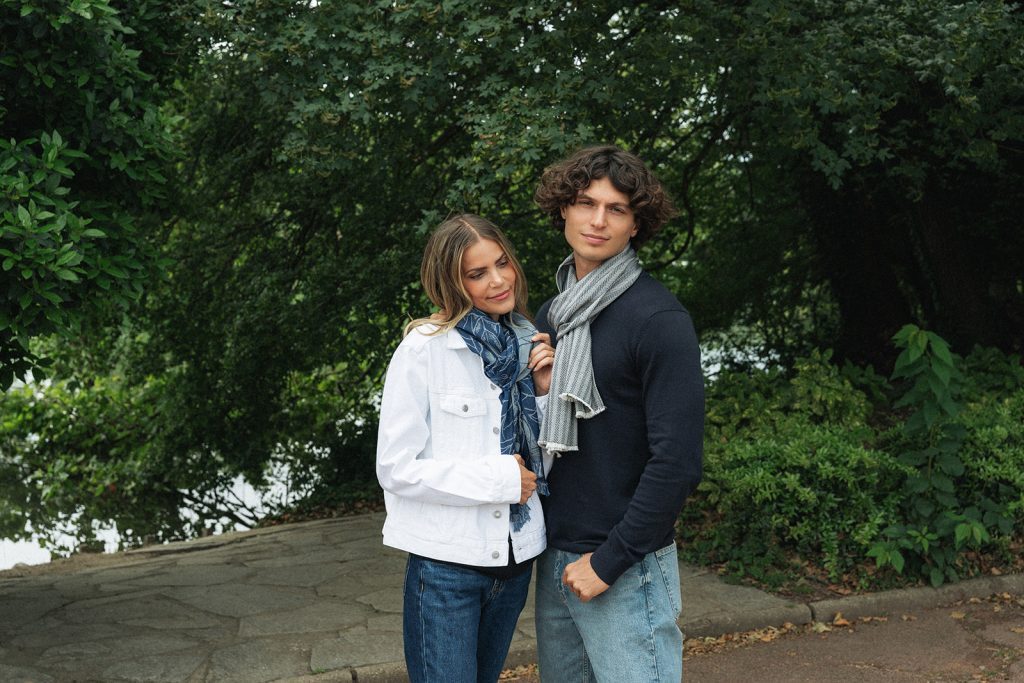
French scarf offers wool scarves that do not fray and pile very little, such as the Passion piece made of Merino wool/modal, the Atome piece made of Merino wool/silk, or Ronsard and Smoking pieces made with cashmere wool. The wools selected to weave these shawls or scarves are ultra-fine fibers, such as Merino wool or Cashmere wool.

Preventing Fraying and Fiber Loss:
To prevent fraying and fiber loss, washing is the key factor. To keep your scarf looking as good as new, you must take care of it by hand-washing in cold or lukewarm water with a specific detergent or a gentle baby shampoo. The easiest method is to soak it without rubbing the fabric together and letting it dry flat on a towel in the open air. Under NO CIRCUMSTANCES should you put your scarf in the dryer. Wool fibers cannot withstand temperature changes; the heat from the dryer will shrink and felt the wool, making your scarf unusable. For extra safety, have your wool scarf cleaned by a dry cleaner.
Removing Pilling and Lost Fibers from Your Wool Scarf:
Whether it’s made of sheep wool, cashmere, mohair, or angora, here are three tips to address this issue:
- Put your scarf in the refrigerator: Cold prevents wool from shedding fibers. Place your scarf in a plastic bag and put it in the freezer for about 2 to 3 hours or in the refrigerator overnight. The cold causes the wool fibers to freeze, preventing further shedding. The cold will also reduce static electricity in the fabric, which attracts fibers and causes them to stick to other surfaces. This method is somewhat inconvenient and may not always give the desired results.
- Spray hairspray on your scarf: A second tip is to spray hairspray about 30 centimeters away from the fabric. The hairspray acts like an invisible glue that helps fix the fibers to the scarf. Be careful not to overdo it or spray too closely so that the fabric still remains flexible. However, hairspray will disappear with the first wash.
- Use a soft brush: Another tip to remove loose fibers is to gently brush the fabric with a soft-bristle garment brush or use a lint roller to remove the surface fibers. Before doing this, check that the scarf is sturdy enough to withstand this treatment. This method is very effective for removing pilling that forms on wool fabrics.
If the pilling is persistent, try a lice comb, a razor, or sandpaper.
With its very fine teeth, a lice comb can be very effective at removing pilling from your scarf. But be careful not to pull too hard, as it could damage the fabric. A razor or sandpaper is also effective but requires very delicate handling, as improper use can easily cause a tear in the fabric.
Recently, there are commercial lint razors that are safe and won’t create holes. These handy devices cost around 15-20€ and are probably the most effective method for removing pilling from your wool sweater or scarf.
Tips for Maintaining a Wool Scarf:
Your wool scarf deserves to be well cared for. If you want to keep it looking as beautiful as the first day, here are some tips: Wear it only every other day to let it breathe for 24 hours, undo any knots, and lay it flat to let the fabric air out. If you wear it with a knot, don’t tie it too tightly to avoid breaking the fibers. Try wearing it differently each time, so the friction caused by knots isn’t always in the same place. Don’t wash it too often—only when visible stains appear. Hand washing or dry cleaning are better than machine washing. At the end of the season, store your wool scarf clean in a fabric bag, and if possible, place a moth repellent nearby.
Also, check out our blog: How to Wash Your Wool Scarf?
Repairing a Wool Scarf That Is Fraying:
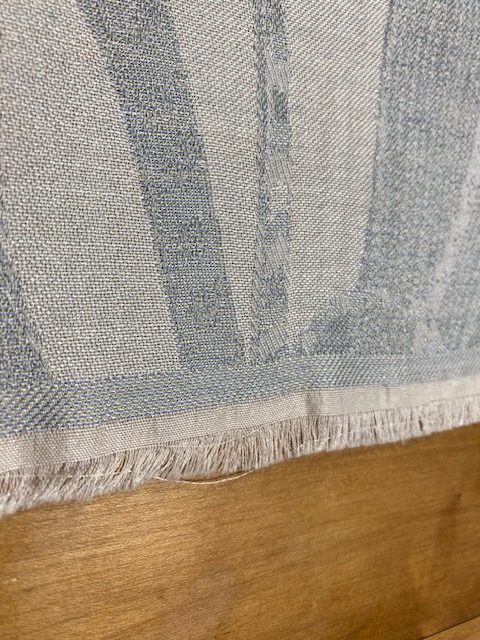
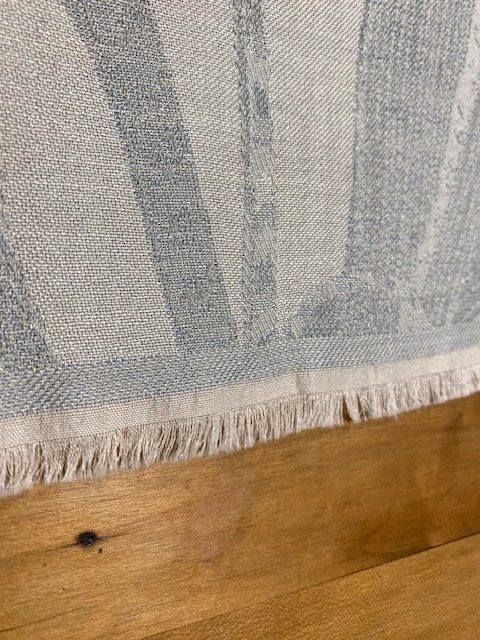
After a while, your scarf may start to fray at the edges. Some weft threads may begin to come loose at the fringes. It’s very simple to fix this: you can pull out the threads that are trying to escape and remove them completely. The base of your scarf will then return to being neat and clean. Sometimes, fraying can also occur at the edges of the scarf. With a special glue from a craft store, it’s easy to glue the hem without sewing, and this glue usually resists several washes. If you have a sewing machine, it will be easier to redo the hem, and as a last resort, you can call a professional for a long-lasting repair. All our wool models are made with Merino wool, which significantly slows down pilling.
Adapting Your Wardrobe to Prevent Wear and Tear
The best way to minimize fiber loss and keep your scarves looking good for as long as possible is to choose high-quality wool scarves. Buy several scarves of the same type so you don’t have to wear the same one every day. Avoid buying pieces with zippers or Velcro, which are the number one enemy of wool scarves. Try to avoid wearing jewelry that may snag, and you will enjoy your beautiful wool scarves for several seasons!
Explore all our collections of wool scarves for women and men on our website www.french-scarf.com.

Write to us